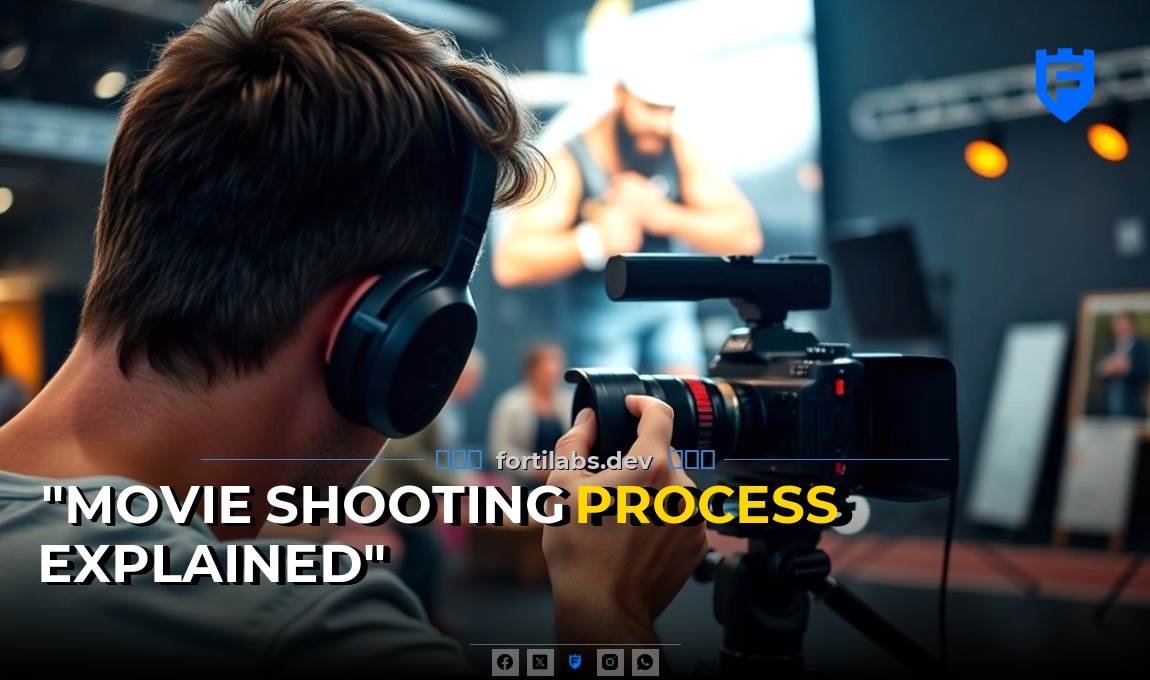
Don’t let anyone fool you – making a movie isn’t just about pointing a camera and saying “action.” The process is complex, involving countless hours of preparation, collaboration, and problem-solving. As someone who’s studied film production extensively, I’m here to break down the movie shooting process for you.
Pre-production: Where the Magic Begins
Before a single frame is captured, a tremendous amount of work happens behind the scenes. This is the pre-production phase, and it’s where the foundation of your film is built.
Script Breakdown and Scheduling
First, the script is broken down into manageable parts. This involves identifying all the scenes, locations, props, costumes, and special effects needed. From there, a shooting schedule is created, determining the order in which scenes will be filmed based on factors like location availability, actor schedules, and budget constraints.
For example, when shooting “Inception” in 2009, Christopher Nolan and his team had to carefully plan the complex sequences, such as the rotating hallway fight scene. They spent six months in pre-production, ensuring every detail was accounted for before cameras rolled.
Casting and Crew Hiring
Next, the cast and crew are assembled. Casting directors hold auditions to find the perfect actors for each role, while the director of photography, production designer, and other key crew members are hired to bring the director’s vision to life.
It’s must-have to build a cohesive team that understands and supports the project’s goals. As director Ridley Scott once said, “The better the actors, the better the film.”
Production: Lights, Camera, Action!
With pre-production complete, it’s time to start shooting. You’ll find where the movie begins to take physical shape, and the production phase can last anywhere from a few weeks to several months, depending on the film’s scale and complexity.
Setting Up the Shot
For each scene, the camera crew sets up the necessary equipment, including lights, cameras, and audio gear. The director of photography works closely with the director to determine the best camera angles, lenses, and lighting setups to achieve the desired look and feel.
This process involves a lot of trial and error, as the crew tweaks the setup to get everything just right. It’s not uncommon for a single shot to take hours to set up and capture.
Blocking and Rehearsing
Once the camera is in place, the actors rehearse their movements and interactions within the frame, a process known as blocking. This helps them become comfortable with their surroundings and ensures they hit their marks consistently during takes.
The director works closely with the actors to refine their performances, offering guidance and suggestions to bring out the best in each take.
Rolling Camera and Capturing the Scene
With everything in place, it’s time to roll the camera and capture the scene. The director calls for quiet on the set, then announces “action” to begin the take. After the scene is completed, they’ll say “cut,” and the crew will review the footage to ensure it meets their standards.
Multiple takes are often required to capture the perfect performance, and it’s not unusual for a single scene to take several hours or even days to complete.
For instance, the famous dining scene in “The Godfather” took six days to shoot. Director Francis Ford Coppola wanted to capture the complex dynamics between the characters, and he wasn’t satisfied until he got the perfect takes.
Post-production: Piecing It All Together
With principal photography wrapped, the movie moves into post-production. This is where the raw footage is edited, sound and music are added, and the final film is assembled. This phase can take anywhere from a few months to over a year, depending on the project’s complexity.
Editing
The first step in post-production is editing, where the footage is reviewed, and the best takes are selected. The editor works closely with the director to assemble the scenes in a coherent and engaging way, using techniques like cutting, pacing, and transitions to create a smooth viewing experience.
This process can be time-consuming, as the editor must review hundreds or even thousands of hours of footage to find the perfect shots. It’s not uncommon for a feature film to require hundreds of hours of editing to get just right.
Sound Design and Music
With the edit locked, the sound design and music teams get to work. Sound designers create and record the film’s sound effects, while the composer writes and records the original score. The dialogue is also cleaned up and enhanced, a process known as audio sweetening.
The final sound mix brings all these elements together, ensuring they’re balanced and work harmoniously to create an immersive auditory experience.
Color Grading and Final Delivery
The final step in post-production is color grading, where the film’s colors are enhanced and adjusted to create a consistent look and feel. This can involve correcting white balance, adjusting contrast, or applying creative color palettes to evoke specific moods or emotions.
Once color grading is complete, the film is ready for delivery. This involves creating the final master files and distributing them to theaters, streaming platforms, or other exhibition formats.
The Power of Collaboration
As you can see, the movie shooting process is a complex and collaborative effort that involves hundreds of talented individuals working together to bring a story to life. From the initial script breakdown to the final color grade, each step is really important in creating a cohesive and engaging cinematic experience.
So, the next time you sit down to watch a film, take a moment to appreciate the incredible amount of work that went into making it. You’ll never look at movies the same way again.
Word count: 1353