Category: Uncategorized

  • Film Making Tips for Beginners

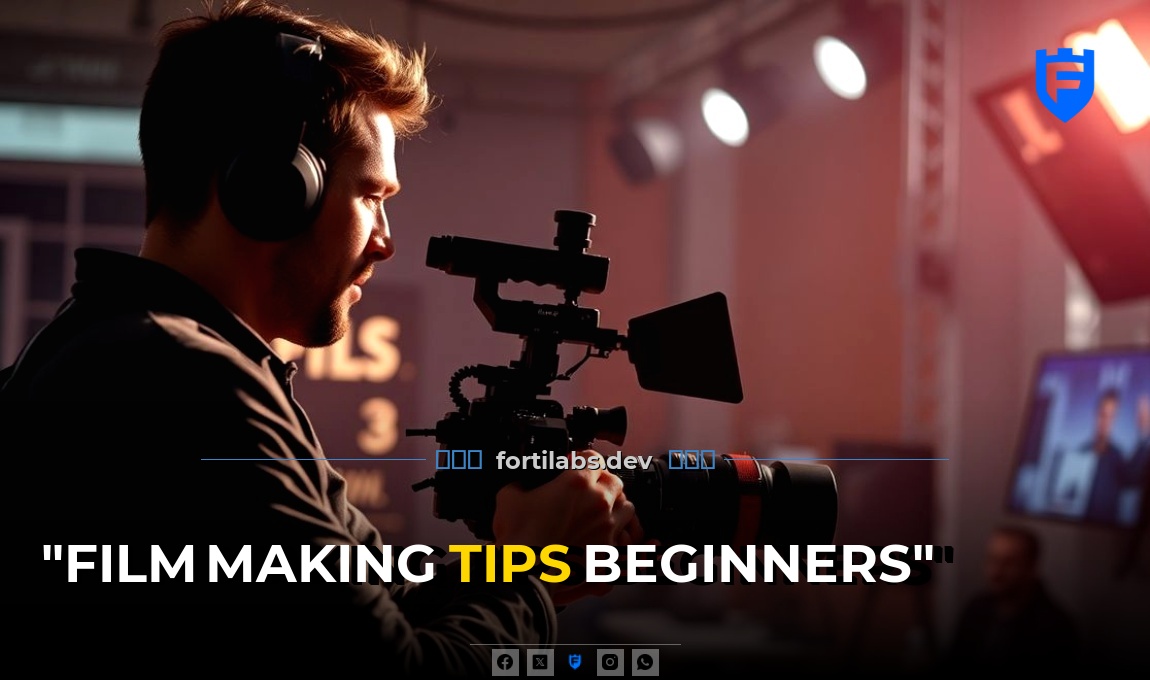
    Film Making Tips for Beginners

    Did you know that over 70% of YouTube’s daily watch time comes from mobile devices? This means that if you’re just starting out in filmmaking, you’ve got a huge audience right in your pocket. I’ve helped hundreds of people dive into filmmaking, and I’m excited to share some tips to get you started.

    Gear Up the Right Way

    You don’t need the fanciest equipment to start. In fact, some of the best films have been shot on smartphones. Here’s what I recommend:

    • Camera: Start with what you’ve. A smartphone with a good camera is a great beginning. If you want to invest, look into entry-level DSLRs or mirrorless cameras. They offer more control and better image quality.
    • Audio: Good audio is often more important than good video. Invest in a basic lavalier microphone or a shotgun mic to capture clear sound.
    • Lighting: Natural light is your best friend. Learn to use it effectively. If you need artificial light, start with a basic three-point lighting setup. You can find affordable LED panels online.
    • Tripod or Stabilizer: Shaky footage can be distracting. A tripod or a gimbal stabilizer will help you capture smooth shots.

    Step-by-Step: Choosing Your First Camera

    Here’s how I guide my students through choosing their first camera:

    1. Set a Budget: Decide how much you’re willing to spend. Remember, you don’t need the most expensive camera to start.
    2. Research: Look up reviews and comparisons online. Websites like DPReview and YouTube channels like Peter McKinnon offer great insights.
    3. Consider Your Needs: Think about what you want to shoot. Different cameras excel in different situations.
    4. Try Before You Buy: If possible, rent or borrow the camera before purchasing. This way, you can get a feel for it.
    5. Make a Purchase: Once you’re sure, go ahead and buy. Don’t forget to invest in a good memory card and a backup battery.

    Master the Basics of Storytelling

    Film is all about telling a story. Even if you’re shooting a short clip for social media, you need a beginning, middle, and end. Here’s how I break it down:

    • Concept: Start with a simple idea. It could be a personal story, a fictional narrative, or even a tutorial.
    • Script: Write a basic script or at least an outline. This will serve as your roadmap.
    • Storyboard: Sketch out your shots. This doesn’t have to be fancy. Stick figures and simple diagrams work just fine.
    • Characters and Dialogue: If you’re working with actors, help them understand their characters and the scene.

    Step-by-Step: Writing a Simple Script

    Here’s the process I use when writing a script:

    1. Ideas: Jot down all your ideas, no matter how silly they seem. You can refine them later.
    2. Outline: Create a basic outline. This should include the beginning, middle, and end of your story.
    3. Dialogue: Write the dialogue. Keep it natural and concise.
    4. Descriptions: Add descriptions of the scenes and actions. This will help your actors and crew understand what you want.
    5. Revise: Revise your script multiple times. Read it out loud to see if it flows well.

    Learn the Technical Stuff

    Understanding the technical aspects of filmmaking can seem daunting, but it’s must-have. Here are some basics to get you started:

    • Camera Settings: Learn about ISO, shutter speed, and aperture. These settings control the exposure and look of your footage.
    • Composition: Use the rule of thirds, leading lines, and other composition techniques to make your shots more interesting.
    • Editing: Editing is where your film comes to life. Start with simple software like iMovie or Windows Video Editor. As you improve, you can move on to more advanced software like Adobe Premiere Pro or Final Cut Pro.
    • Color Grading: Color grading can dramatically change the mood of your film. Learn the basics to make your footage look more professional.

    Step-by-Step: Basic Camera Settings

    Here’s how I explain camera settings to my beginners:

    1. ISO: Start with the lowest ISO possible. This reduces noise in your footage. Increase it only if you need more light.
    2. Shutter Speed: For a natural look, set your shutter speed to double your frame rate. For example, if you’re shooting at 30fps, set your shutter speed to 1/60.
    3. Aperture: A lower f-number (like f/1.8) gives you a shallow depth of field, which blurs the background and makes your subject stand out. A higher f-number (like f/16) gives you a deeper depth of field, keeping both the foreground and background in focus.
    4. White Balance: Set your white balance to match the lighting conditions. This ensures that the colors in your footage look natural.

    Practice, Practice, Practice

    The most important thing in filmmaking is practice. The more you shoot, the better you’ll get. Here are some ways to practice:

    • Shoot Every Day: Even if it’s just a short clip, try to shoot something every day. This will help you build a portfolio and improve your skills.
    • Experiment: Don’t be afraid to try new things. Experiment with different camera angles, lighting setups, and editing techniques.
    • Learn from Others: Watch films, both good and bad. Try to understand what works and what doesn’t. Analyze their storytelling, cinematography, and editing.
    • Get Feedback: Share your work with others and ask for feedback. This can provide valuable insights and help you improve.

    Step-by-Step: Creating a Practice Schedule

    Here’s how I help my students create a practice schedule:

    1. Set Goals: Decide what you want to achieve. It could be mastering a specific technique or completing a short film.
    2. Create a Plan: Break down your goals into smaller tasks. For example, if you want to improve your editing skills, plan to edit one short clip each week.
    3. Schedule Time: Set aside time each day or week to work on your goals. Treat this time as you’d any other important appointment.
    4. Track Your Progress: Keep a log of what you’ve shot and edited. This will help you see your progress over time.
    5. Review and Adjust: Regularly review your progress and adjust your plan as needed. Don’t be afraid to change your goals or methods if something isn’t working.

    Remember, filmmaking is a journey. It takes time, practice, and patience to improve. But with these tips and a lot of dedication, you’ll be well on your way to creating amazing films. So grab your camera, start shooting, and most importantly, have fun!

  • Beginner Guide to Digital Art

    Beginner Guide to Digital Art

    You don’t need to be a tech genius to create stunning digital art. Despite what many believe, digital art isn’t just for those with advanced technical skills or expensive equipment. With the right tools and a bit of practice, you can create beautiful artwork using digital mediums. This guide will walk you through the basics of digital art, helping you get started on your creative journey.

    Getting Started with Digital Art

    Before diving into creating digital art, you’ll need a few must-have tools. Don’t worry, you don’t need to break the bank to get started.

    Hardware

    • Computer or Tablet: You’ll need a device to create your artwork. A computer with a drawing tablet or a tablet with a stylus, like an iPad or Android tablet, works best.
    • Stylus: If you’re using a tablet, a stylus can help you create more precise and natural-looking lines. Even a basic stylus can make a big difference.

    For example, the Apple Pencil, which costs around $129, can transform your iPad into a powerful drawing tool. It offers pressure sensitivity, tilt functionality, and a low latency, making it feel like a real pencil or brush in your hand.

    Software

    • Drawing Software: There are plenty of affordable or even free drawing programs available. Some popular options include Procreate ($9.99), Adobe Fresco (free), and Krita (free).
    • Photo Editing Software: If you plan on working with photos or creating digital collages, you might want to invest in photo editing software like Adobe Photoshop ($9.99/month) or GIMP (free).

    Basic Digital Art Techniques

    Now that you’ve your tools, it’s time to learn some basic digital art techniques. These skills will help you create stunning artwork, even as a beginner.

    Understanding Layers

    Layers are one of the most powerful features of digital art. They allow you to work on different parts of your artwork separately, making it easy to edit and refine your work. Think of layers as transparent sheets stacked on top of each other. You can draw or paint on each sheet without affecting the others.

    For instance, you might have one layer for the sketch, another for the colors, and another for the details. This way, you can adjust the sketch without messing up the colors or details.

    Using Brushes

    Digital art software comes with a variety of brushes that can help you achieve different effects. Experiment with different brushes to see what they can do. Go ahead and also adjust the size, opacity, and flow of your brushes to create unique textures and effects.

    For example, in Procreate, you can find a wide range of brushes, from basic pencils and ink pens to textured brushes that mimic traditional media like watercolor or oil paint. Don’t be afraid to play around with these brushes to see what you can create.

    Practicing and Improving Your Skills

    Like any skill, digital art takes practice. The more you draw, the better you’ll get. Here are some tips to help you improve your skills.

    Daily Practice

    Set aside some time each day to practice your digital art skills. Even just 30 minutes a day can make a big difference. Try drawing different subjects, from simple shapes to complex scenes. The key is to keep drawing and experimenting with different techniques.

    Learning from Others

    There are plenty of resources available to help you learn digital art. You can find tutorials on YouTube, blogs, and online courses. Watching other artists at work can give you new ideas and techniques to try.

    For example, on YouTube, you can find channels like Proko, which offers free drawing tutorials, or The virtual instructor, which provides digital art tutorials for all skill levels.

    Getting Feedback

    Share your artwork with others and ask for feedback. Constructive criticism can help you identify areas where you can improve. Go ahead and share your work on social media, online forums, or local art groups.

    Sharing Your Artwork

    Once you’re happy with your artwork, it’s time to share it with the world. Sharing your art can help you connect with other artists, gain recognition, and even make some money.

    Social Media

    Social media platforms like Instagram, Twitter, and Facebook are great places to share your artwork. You can post your work, connect with other artists, and join art communities. Use relevant hashtags to help people find your work.

    Art Communities

    Online art communities like DeviantArt, ArtStation, and Behance are great places to share your work and get feedback. These communities are filled with artists of all skill levels, and you can learn a lot from them.

    For example, ArtStation is a popular platform for artists to showcase their work, especially in the game, film, and media industries. It’s a great place to get inspiration and connect with other artists.

    Selling Your Art

    If you’re ready to take your digital art to the next level, you might want to consider selling your work. Go ahead and sell prints, digital downloads, or even original artwork. Websites like Etsy, Redbubble, and Society6 make it easy to sell your art online.

    Remember, becoming a successful digital artist takes time and practice. Don’t be discouraged if you don’t see immediate results. Keep drawing, keep learning, and keep sharing your art with the world.

  • Best Turkish Dramas with Urdu Dub

    Best Turkish Dramas with Urdu Dub

    Have you ever found yourself scrolling through streaming services, looking for that perfect show to binge-watch, but feeling overwhelmed by the sheer number of options? I’ve been there, and I know how frustrating it can be. If you’re a fan of Turkish dramas, you might be missing out on some fantastic shows if you’re not considering those with Urdu dubbing. Let me guide you through some of the best Turkish dramas with Urdu dub, so you can find your next favorite show.

    Why Watch Turkish Dramas with Urdu Dub?

    First things first, why should you consider watching Turkish dramas with Urdu dub? Well, for starters, Turkish dramas have gained immense popularity worldwide for their engaging storylines, high production values, and talented actors. By opting for Urdu-dubbed versions, you open the door to a world of entertainment that feels closer to home, making it easier to connect with the characters and their stories. Plus, it’s a great way to enjoy Turkish culture and storytelling without having to worry about language barriers.

    The Best Turkish Dramas with Urdu Dub

    Now, let’s dive into some of the best Turkish dramas that you can enjoy with Urdu dubbing.

    1. Mera Sultan (Muhtesem Yuzyil)

    Mera Sultan is a historical drama that aired from 2011 to 2014. It’s a tale of love, power, and betrayal set in the Ottoman Empire, focusing on the life of Sultan Suleiman the Magnificent and his wife, Hurrem Sultan. This show is a must-watch for its lavish sets, beautiful costumes, and intense political intrigue.

    2. Ashk (Kara Para Ask)

    Ashk is a romantic drama that aired in 2014. It’s the story of Elif, a young woman who falls in love with a man named Kerim, only to discover that he’s involved in the dangerous world of counterfeit money. This show is packed with twists and turns, making it a gripping watch from start to finish.

    3. Gul-e-Zaar (Karagul)

    Gul-e-Zaar is a psychological drama that aired from 2013 to 2015. It’s a dark and twisted tale of revenge, focusing on the character of Zeynep, who seeks to destroy the life of a man named Kerim. This show is known for its intense storyline and powerful performances.

    4. Mera Dil Mera Dushman (Kardesim Benim)

    Mera Dil Mera Dushman is a family drama that aired in 2013. It’s the story of two sisters, Zeynep and Eda, who find themselves at odds with each other due to a complicated web of lies and secrets. This show is a great choice if you’re in the mood for a dramatic family saga.

    5. Zid (Ask-Laftan Anlamaz)

    Zid is a romantic drama that aired from 2016 to 2017. It’s the story of Defne, a young woman who falls in love with a man named Omer, despite their vastly different backgrounds. This show is a beautiful exploration of love and the challenges that come with it.

    Common Mistakes to Avoid

    With watching Turkish dramas with Urdu dub, there are a few common mistakes that you might want to avoid.

    Ignoring Subtitles

    One mistake that many people make is ignoring subtitles altogether. While Urdu dubbing can be a great help, it’s not always perfect. There might be times when the dubbing doesn’t quite match the on-screen action, or when certain cultural nuances are lost in translation. In these cases, having subtitles can be a big help. Don’t be afraid to use them if you need to!

    Skipping the Intro

    Another common mistake is skipping the intro. While it might be tempting to fast-forward through the opening credits, especially if you’re rewatching a show, the intro can actually be a great way to get a sense of the show’s tone and themes. Plus, some intros are just plain awesome. So, give them a chance!

    Not Giving New Shows a Chance

    Finally, don’t make the mistake of not giving new shows a chance. Just because a show hasn’t gotten a lot of hype doesn’t mean it’s not worth watching. Some of the best Turkish dramas with Urdu dub are those that have flown under the radar. So, be open to exploring new shows and seeing what they’ve to offer.

    Tips for Enhancing Your Viewing Experience

    To make the most out of your Turkish drama binge-watching sessions, here are a few tips:

    • Create a Cozy Atmosphere: Make sure you’re comfortable and have some snacks and drinks on hand. This will help you relax and immerse yourself in the show.
    • Watch with Friends: Sharing your love for Turkish dramas with friends can be a lot of fun. You can discuss the show, share your favorite moments, and even host themed watch parties.
    • Learn Some Turkish: If you’re really into Turkish dramas, why not take the plunge and learn some Turkish? This can enhance your appreciation of the shows and even help you understand the original dialogue better.
    • Explore Different Genres: Don’t be afraid to step out of your comfort zone and try shows from different genres. You might be surprised by what you enjoy.

    So, there you’ve it – a guide to some of the best Turkish dramas with Urdu dub, along with some tips and common mistakes to avoid. Now, grab some popcorn, get comfortable, and let the binge-watching begin!

    Remember, the world of Turkish dramas is vast and full of amazing stories. Don’t be afraid to explore, take risks, and most importantly, enjoy the ride. Happy watching!

  • How to Start Digital Drawing

    How to Start Digital Drawing

    Forget the myth that you need expensive equipment and years of practice to start digital drawing. All you really need is a basic understanding of digital art fundamentals and the right mindset. I’ve seen beginners create stunning artwork with just a budget tablet and free software. It’s all about taking that first step and embracing the learning process.

    Choosing Your Digital Drawing Tools

    The first thing you’ll need to do is choose your digital drawing tools. There are two main approaches: using a graphics tablet or drawing directly on a screen.

    Graphics Tablet with Stylus

    • Best for: Beginners on a budget or those who prefer a traditional drawing feel.
    • Pros:
      • More affordable than screen tablets.
      • Allows for a more traditional drawing experience.
      • Portable and can be used with multiple devices.
    • Cons:
      • Requires a learning curve to get used to drawing without looking at the stylus.
      • You’ll need a computer to see your artwork as you create it.

    Popular options include the Wacom Intuos and Huion HS645P. These tablets connect to your computer and come with pressure-sensitive styluses, allowing you to create varied line weights just like with traditional drawing.

    Screen Tablet (Pen Display)

    • Best for: Those who want a more intuitive drawing experience or plan to pursue digital art professionally.
    • Pros:
      • Allows you to draw directly on the screen, making it more intuitive.
      • No need to constantly look back and forth between your hand and the screen.
      • Often come with higher color accuracy and better displays.
    • Cons:
      • More expensive than graphics tablets.
      • Can be bulky and less portable.
      • May require additional setup and calibration.

    Popular screen tablets include the Wacom Cintiq and Huion Kamvas. These devices have built-in screens, so you can draw directly on them, much like you’d with a traditional sketchbook.

    Selecting Your Software

    Once you’ve your hardware, it’s time to choose your digital drawing software. Here are two main approaches: using free software or investing in paid professional software.

    Free Software

    • Best for: Beginners, hobbyists, or those on a tight budget.
    • Pros:
      • No cost, making it accessible to everyone.
      • Often still packed with useful features.
      • Great for learning and practicing digital drawing techniques.
    • Cons:
      • May lack some advanced features found in paid software.
      • Interface might not be as intuitive or user-friendly.
      • Updates and support may be less frequent.

    Popular free options include Krita and FireAlpaca. These programs offer a surprising range of features and are perfect for beginners looking to dip their toes into digital art.

    Paid Professional Software

    • Best for: Serious artists, professionals, or those looking to create high-quality artwork.
    • Pros:
      • Packed with advanced features and tools.
      • Regular updates and dedicated customer support.
      • Often used in professional settings, making them industry standards.
    • Cons:
      • Can be expensive, with some software costing hundreds of dollars.
      • May have a steeper learning curve due to their advanced features.
      • Some programs require a powerful computer to run smoothly.

    Popular paid options include Adobe Photoshop, Corel Painter, and Aseprite. These programs offer a wide range of features and are used by professionals in various industries.

    Getting Started with Digital Drawing

    Now that you’ve your hardware and software, it’s time to start drawing. Remember, the key to improving your digital drawing skills is practice, practice, practice. Don’t be afraid to experiment and make mistakes. Here are some tips to help you get started.

    Learn the Basics

    • Familiarize yourself with the interface: Spend some time exploring your chosen software. Learn where to find the tools you need and how to customize the workspace to suit your preferences.
    • Understand the tools: Digital drawing software comes with a variety of tools, such as brushes, pencils, erasers, and selection tools. Take the time to learn what each tool does and how to use it effectively.
    • Practice basic techniques: Start by practicing basic digital drawing techniques, such as line work, shading, and color theory. There are plenty of tutorials and resources available online to help you get started.

    Experiment with Different Styles

    Digital drawing allows for a wide range of styles and techniques. Don’t be afraid to experiment and find what works best for you. Try out different brushes, textures, and effects to see what you like. You can even combine traditional and digital techniques for a unique look.

    Create a Digital Artwork Routine

    • Set aside dedicated time: Make digital drawing a part of your regular routine. Set aside dedicated time each day or week to practice and create artwork.
    • Start with simple projects: Don’t try to tackle complex projects right away. Start with simple sketches or studies to build your skills and confidence.
    • Join online communities: Connect with other digital artists online. Share your work, get feedback, and learn from others. You’ll find plenty of forums, social media groups, and online courses available to help you improve your skills.

    Overcoming Common Challenges

    As you start your digital drawing journey, you’ll likely encounter some challenges. Don’t let these obstacles discourage you. Here are some common challenges and tips for overcoming them.

    Learning to Draw Without Looking

    • If you’re using a graphics tablet: It can be challenging to get used to drawing without looking at your stylus. To overcome this, try practicing simple shapes and lines while looking only at the screen. With time and practice, you’ll develop muscle memory and be able to draw more intuitively.

    Dealing with Screen Fatigue

    • Take regular breaks: Staring at a screen for extended periods can cause eye strain and fatigue. Make sure to take regular breaks and give your eyes a rest.
    • Adjust your screen settings: Experiment with different screen brightness, contrast, and color temperature settings to find what’s most comfortable for you.
    • Consider using a screen protector: A screen protector can help reduce glare and make it easier on your eyes.

    Avoiding Artist’s Block

    • Take a break: If you’re feeling stuck, take a break and come back to your artwork later. Sometimes, stepping away for a while can help you see things with fresh eyes.
    • Try something new: If you’re feeling uninspired, try experimenting with a new style, technique, or subject matter. This can help reignite your creativity and get you back into the flow of drawing.
    • Seek inspiration: Look for inspiration in other artists’ work, nature, or everyday life. There are plenty of resources available online to help you find inspiration and overcome artist’s block.

    Starting digital drawing can seem daunting at first, but with the right tools, mindset, and practice, you’ll be creating stunning artwork in no time. Don’t be afraid to experiment, make mistakes, and learn along the way. Embrace the journey and have fun exploring the exciting world of digital art. Remember, every expert was once a beginner, so keep practicing and never give up on your artistic dreams.

  • Acting Tips and Tricks

    Acting Tips and Tricks

    Did you know that only 2% of actors are considered working actors, meaning they earn at least half of their income from acting-related work? I used to think that acting was all about natural talent – you either had it or you didn’t. But after years of struggling and eventually finding success, I’ve learned that acting is a skill that can be developed with the right tips and tricks.

    Break Down the Barriers

    First, let me tell you about a common assumption that I used to have: “Acting is all about looking the part.” I thought that if you didn’t fit a certain physical mold, you wouldn’t get far. But I was wrong. Here’s what changed my mind:

    • I saw actors with unconventional looks booking major roles.
    • I realized that casting directors are looking for more than just a pretty face.
    • I learned that your unique look can actually be your selling point.

    Embrace Your Uniqueness

    Instead of trying to fit into a mold, focus on what makes you unique. Work on your craft, and you’ll find that your individuality is your biggest asset. Here are some tips to help you embrace your uniqueness:

    • Know your type: Identify the roles you’re most suited for and focus on those.
    • Highlight your strengths: Play up your best features, whether that’s your eyes, smile, or charisma.
    • Work on your weaknesses: If there’s something about your appearance that you’re self-conscious about, find ways to work around it or embrace it.

    Master the Basics

    I used to think that acting was all about big emotions and dramatic moments. But I quickly learned that the foundation of great acting is mastering the basics. Here’s what I wish I had known earlier:

    • The importance of voice and speech.
    • How to analyze a script effectively.
    • The power of listening and reacting.

    Voice and Speech

    Your voice is one of your most powerful tools as an actor. It can convey emotion, tell a story, and engage an audience. Here are some tips to help you improve your voice and speech:

    • Practice vocal warm-ups: Spend a few minutes each day doing vocal exercises to improve your range, projection, and clarity.
    • Work on your articulation: Speak clearly and concisely, and avoid mumbling or rushing your words.
    • Explore different vocal qualities: Experiment with different pitches, volumes, and tones to find what works best for each character.

    Script Analysis

    Understanding a script is the first step to bringing a character to life. Here are some tips to help you analyze a script effectively:

    • Read the script multiple times: The first read-through should be for enjoyment, the second for understanding the plot, and the third for character analysis.
    • Identify the given circumstances: who’s your character? What do they want? What are their obstacles?
    • Look for subtext: what’s your character really saying beneath the surface? What are they thinking but not saying?

    Listening and Reacting

    Acting is a two-way conversation. It’s not just about what you say, but how you react to what others say. Here are some tips to help you improve your listening and reacting skills:

    • Stay present: Focus on the moment and what your scene partner is saying, rather than getting caught up in your own head.
    • React honestly: Allow yourself to react naturally and truthfully to what’s happening in the scene.
    • Practice active listening: Show your scene partner that you’re engaged and interested in what they’re saying through your body language and facial expressions.

    Improve Your Audition Technique

    I used to think that auditions were all about luck – that it was just a matter of being in the right place at the right time. But I’ve since learned that there’s a lot you can do to improve your audition technique. Here’s what I wish I had known earlier:

    • The importance of preparation.
    • How to make a strong first impression.
    • The power of callbacks.

    Preparation

    Preparation is key to a successful audition. Here are some tips to help you prepare:

    • Know your material: Memorize your lines and understand your character’s motivations and objectives.
    • Research the project: Learn as much as you can about the play, movie, or TV show you’re auditioning for.
    • Practice your audition: Rehearse your audition in front of a mirror or with a friend, and get feedback on your performance.

    First Impressions

    The first few seconds of your audition are really important. Here are some tips to help you make a strong first impression:

    • Be confident: Walk into the audition room with your head held high and a smile on your face.
    • Be professional: Dress appropriately, be on time, and treat everyone you meet with respect.
    • Be memorable: Find a way to stand out from the other actors, whether it’s through your unique look, your personality, or your performance.

    Callbacks

    Getting a callback is a good sign, but it’s not a guarantee of a job. Here are some tips to help you nail your callback audition:

    • Be prepared to do it again: Don’t assume that you’ll be doing the same scene or monologue as your first audition.
    • Be open to direction: Listen carefully to the casting director’s notes and be willing to adjust your performance accordingly.
    • Be yourself: Remember that the casting director invited you back because they saw something special in you, so don’t try to be someone you’re not.

    Never Stop Learning

    I used to think that once I had a few acting credits under my belt, I was set. But I’ve since learned that acting is a lifelong journey of learning and growth. Here’s what I wish I had known earlier:

    • The importance of training.
    • How to find the right acting coach.
    • The power of self-tape auditions.

    Training

    Acting training is must-have for improving your craft and staying competitive in the industry. Here are some tips to help you find the right training for you:

    • Take acting classes: Look for classes that focus on the specific skills you want to improve, such as scene study, improvisation, or voice and speech.
    • Attend workshops: Workshops are a great way to learn from industry professionals and network with other actors.
    • Go to theater: Watching live performances can inspire you and give you new ideas for your own performances.

    Acting Coaches

    An acting coach can provide you with personalized feedback and guidance to help you improve your craft. Here are some tips to help you find the right acting coach for you:

    • Look for experience: Find a coach who has worked with actors at your level and in your genre.
    • Look for a good fit: You want to find a coach who understands your goals and who you feel comfortable working with.
    • Look for results: Ask for references or testimonials from other actors who have worked with the coach.

    Self-Tape Auditions

    Self-tape auditions have become more common in recent years, and they’re here to stay. Here are some tips to help you nail your self-tape audition:

    • Invest in good equipment: You don’t need a professional-grade camera, but make sure your video and audio quality are clear and crisp.
    • Find a quiet location: Choose a place with good lighting and minimal distractions.
    • Practice your audition: Rehearse your audition multiple times before recording, and make sure you’re happy with your performance before submitting.

    Acting is a challenging but rewarding profession. It requires dedication, hard work, and a willingness to learn and grow. By embracing your uniqueness, mastering the basics, improving your audition technique, and never stopping learning, you can increase your chances of success and make the most of your acting career.

  • Upcoming Movies 2026 Full List

    Upcoming Movies 2026 Full List

    Have you ever found yourself scrolling through a list of upcoming movies, feeling like a kid in a candy store? I know I’ve. There’s something magical about looking ahead and seeing the stories that’ll captivate us, the characters we’ll fall in love with, and the worlds we’ll explore. So, let’s dive into the upcoming movies of 2026 and see what cinematic delights await us.

    Blockbusters and Franchise Favorites

    If you’re the kind of moviegoer who loves big-budget spectacles and can’t get enough of franchise films, 2026 has a lot in store for you. Let’s compare two approaches to picking your must-watch list: the “known quantities” approach versus the “wild card” approach.

    Known Quantities: The Safe Bet

    When you’re in the mood for a cinematic experience you know you’ll enjoy, there’s nothing wrong with sticking to what you know. In 2026, you can look forward to the next installments in some of your favorite franchises:

    • Aquaman 2: After the success of the first film, we’ll dive back into the underwater world of Arthur Curry.
    • Jurassic World: Dominion 2: The dinosaurs aren’t done with us yet. Expect more thrills and spills in this sequel to the franchise’s latest hit.
    • Mission: Impossible 8: Ethan Hunt’s adventures continue, and with each new installment, the stakes get higher and the stunts get even more jaw-dropping.

    This approach works best when you’re looking for a guaranteed good time, or when you’re introducing someone to a franchise you love. But if you’re feeling adventurous, maybe it’s time to try something new.

    Wild Cards: The Gamble

    Sometimes, the best movies are the ones you never saw coming. In 2026, there are plenty of promising new films that could become your next unexpected favorite:

    • Echoes of Tomorrow: A sci-fi epic about time travelers trying to prevent a dystopian future, from a first-time director who’s already making waves in the industry.
    • The Last Light House: A drama set in a remote lighthouse, starring an acclaimed actor in his first leading role in years.
    • Valley of Shadows: A dark fantasy film with a unique visual style and a story that blends myth and history.

    Gambling on wild cards is best when you’re feeling curious, or when you want to discover the next big thing before everyone else. But remember, not every gamble pays off, so be prepared for the occasional miss.

    Prestige Picks and Award Bait

    Maybe you’re not into explosions and superheroes. Maybe you prefer your movies with a side of artistic merit. If that sounds like you, 2026 has plenty to offer.

    Historical Dramas

    History buffs, rejoice! There are several historical dramas in the works that promise to immerse you in the past:

    • The Codebreaker’s Daughter: A story about the daughter of a famous codebreaker who becomes a spy during World War II.
    • Midnight in the Desert: A Western about a group of outlaws hiding out in the desert, based on a true story.
    • The Last Emperor of China: A biopic about the final years of Puyi, the last emperor of China, played by an up-and-coming actor.

    Literary Adaptations

    Bookworms, don’t worry, I didn’t forget about you. There are several exciting literary adaptations coming your way in 2026:

    • The Marsh King’s Daughter: A psychological thriller based on the bestselling novel about a woman who must confront her past.
    • The Night Circus: A magical realism film about a circus that appears without warning and disappears just as suddenly.
    • Piranesi: A mystery set in a vast, labyrinthine house filled with statues, from the author of “The Bone Clocks.

    International Cinema

    If you’re feeling adventurous, why not explore what’s happening outside of Hollywood? International cinema is more accessible than ever, and 2026 is shaping up to be a great year for foreign films.

    European Gems

    Europe is home to some of the world’s most renowned filmmakers, and 2026 is no exception:

    • The French Dispatch: A Wes Anderson anthology film about a fictional American magazine published in France.
    • The Lost Daughter: A psychological drama from Italian director Matteo Garrone, based on the novel by Elena Ferrante.
    • In the Heights: A Spanish musical about a bodega owner in New York City, from the director of “The Secret in Their Eyes.”

    Asian Cinema on the Rise

    Asian cinema is on the rise, and 2026 is looking particularly promising:

    • The Handmaiden: A Korean thriller about a handmaiden who becomes entangled in a web of deception and desire.
    • The Great Buddha +: A Taiwanese comedy about a buddhist monk who becomes a viral sensation.
    • The Wailing: A Japanese horror film about a man who must uncover the truth behind a series of mysterious deaths in his village.

    Documentaries That Matter

    Last but not least, let’s not forget about documentaries. They might not have the same budget as blockbusters, but they often have the most impact. In 2026, there are several documentaries that are already generating buzz:

    Environmental Awareness

    • Chasing Ice: A follow-up to the acclaimed documentary about climate change, this time focusing on the melting of the polar ice caps.
    • The Last Glacier: A look at the impact of climate change on the world’s glaciers, and what their disappearance means for the planet.

    Social Issues

    • The Rape of Europa: A harrowing look at the sexual violence used as a weapon of war in Europe.
    • The Invisible War: A powerful examination of the epidemic of rape in the U.S. military.

    As we look ahead to 2026, it’s clear that there’s something for everyone at the movies. Whether you’re a fan of big-budget blockbusters or thought-provoking documentaries, there’s plenty to get excited about. So grab your popcorn, get comfortable, and let the cinematic adventure begin!

  • New Movies Released This Week

    New Movies Released This Week

    Did you know that the average movie-goer spends just 18 minutes on deciding what film to watch? I used to be one of those people, standing in front of a wall of movie posters, completely overwhelmed. But let me tell you, I’ve since found a process that makes choosing new releases a breeze, and I’m excited to share it with you.

    My Skeptical Start

    I’ll admit, I was skeptical about new movie releases for a long time. With so many options and so many mixed reviews, it felt like a gamble. I’d often end up watching something safe and familiar instead. But then I realized that by avoiding new releases, I was missing out on some incredible stories and experiences.

    So, I decided to change my approach. I started small, setting aside one weekend a month to explore new movies. I didn’t go in with high expectations, just an open mind. And you know what? I was pleasantly surprised more often than not.

    My Step-by-Step Process

    Now, I’ve a process that helps me work through the world of new movie releases. It’s not foolproof, but it’s made my movie-watching experience much more enjoyable. Here’s how it works:

    Step 1: Research

    I start by looking up what’s new in theaters. I use a combination of movie theater websites, movie review sites, and social media. I’m not looking for reviews yet, just a list of titles and some basic info.

    Step 2: Narrow Down

    Next, I narrow down my list. I look for movies that fit my mood and interests. I also consider the genres I haven’t watched in a while. The goal is to have 2-3 movies that I’m genuinely interested in.

    Step 3: Read Reviews

    Now, it’s time to see what the critics and audiences are saying. I read reviews from reputable sources and check the audience score on sites like Rotten Tomatoes. I pay attention to common themes and criticisms.

    Step 4: Make a Decision

    Based on my research and reviews, I make my final decision. I don’t always go for the movie with the highest rating. Sometimes, I choose the one that sounds the most unique or intriguing, even if it has mixed reviews.

    Step 5: Enjoy

    Finally, I go see the movie. I try to keep an open mind and enjoy the experience. I’ve found that even movies with mixed reviews can have something special.

    This Week’s New Releases

    Now that you know my process, let’s apply it to this week’s new releases. Remember, I’m not looking for perfect movies, just ones that sound interesting and worth a watch.

    Movie 1: “The Adam Project”

    • Genre: Action, Adventure, Sci-Fi
    • Director: Shawn Levy
    • Cast: Ryan Reynolds, Walker Scobell, Jennifer Garner
    • This movie is about a time-traveling boy who teams up with his 12-year-old self to reunite his family and save the future. It sounds like a fun, action-packed adventure with a unique premise. The reviews are generally positive, with critics praising the humor and performances.

    Movie 2: “The Unbearable Weight of Massive Talent”

    • Genre: Action, Comedy
    • Director: Tom Gormican
    • Cast: Nicolas Cage, Pedro Pascal, Sharon Horgan
    • This movie is a meta-comedy about Nicolas Cage playing a fictionalized version of himself. He gets recruited by a fan to help rescue his kidnapped daughter. It sounds like a hilarious and unique take on the action-comedy genre. The reviews are mixed, but many critics are praising Cage’s performance and the film’s humor.

    Movie 3: “Fantasy Island”

    • Genre: Horror, Mystery, Thriller
    • Director: Jeffrey Hunt
    • Cast: Lucy Hale, Michaela McManus, Maggie Q
    • This movie is a horror-mystery about a group of guests on a luxury resort island who find themselves in dangerous situations. It sounds like a twist on the classic “Fantasy Island” TV show, with a horror twist. The reviews are mixed, but it might be worth a watch if you’re a fan of the genre.

    Why You Should Give New Releases a Chance

    If you’re like I used to be, you might be skeptical about new movie releases. But let me tell you, there are so many reasons to give them a chance.

    • Experience something new: New movies offer a chance to experience something you haven’t seen before. They can introduce you to new genres, styles, and stories.
    • Support the industry: By watching new releases, you’re supporting the filmmakers, actors, and everyone else involved in making the movie.
    • Discover new favorites: You never know, a new release could become one of your favorite movies. I’ve had that happen more times than I can count.
    • It’s fun: Going to the theater to watch a new movie can be an exciting and enjoyable experience. It’s a chance to step out of your comfort zone and have some fun.

    So, the next time you’re wondering what to watch, consider giving a new release a chance. You might just be pleasantly surprised.

    Remember, I’m not saying you should watch every new movie that comes out. That’s not realistic, and it’s not what I’m suggesting. But I’m saying that you should give new releases a fair chance. You might discover a new favorite movie, a new genre you love, or just have a fun night out.

    And who knows, you might even find a process that works for you, just like I did. So, grab some popcorn, sit back, and enjoy the show. You won’t regret it.

    Now, I want to hear from you. What’s the last new release you watched? Did you enjoy it? Let me know in the comments below.

  • How to Audition for TV Shows

    How to Audition for TV Shows

    If you think you need to move to Los Angeles to make it in TV, you’re setting yourself up for failure. I made that costly mistake, packing up my life and moving across the country, only to realize that talent and preparation matter far more than location. Here’s what you really need to know about auditioning for TV shows.

    Don’t Wait, Prepare

    When I first started, I thought I could wing it. I’d show up to auditions with a vague idea of the character and hope for the best. Big mistake. Casting directors can spot unpreparedness a mile away. Here’s how to avoid this pitfall:

    Research, Research, Research

    • Know the show. Watch episodes, understand the tone, and get a feel for the characters. If it’s a new show, read the script and research the creators.
    • Know the role. Understand what the casting director is looking for. If you’re auditioning for a comedic role, show them you can make them laugh.
    • Know the industry professionals. Learn about the casting director, producer, and director. Knowing their previous work can help you tailor your audition.

    Practice Makes Perfect

    Rehearse your lines until you know them backwards and forwards. But don’t just recite them like a robot. Put real emotion and intent behind your words. Here’s a common mistake I see all the time:

    Mistake: Overacting. You might think that bigger is better, but that’s not true. TV shows, especially dramas, often require subtle, natural performances. If you’re laughing hysterically for a role that calls for a chuckle, you’re overdoing it.

    Remember, the goal is to make your performance believable. Practice in front of a mirror, record yourself, and get feedback from others.

    Stand Out, But Not For the Wrong Reasons

    You want to make a lasting impression, but not because you were late, rude, or forgot your lines. Here’s how to stand out for the right reasons:

    Be Professional

    • Be on time. Actually, be early. This shows that you’re reliable and respectful of other people’s time.
    • Be polite. Greet everyone you meet, from the casting director to the receptionist. You never know who might remember you.
    • Be prepared. Bring copies of your headshot and resume, even if you’ve sent them already. And always have your lines memorized.

    Be Unique

    Casting directors see hundreds of actors. You need to make yourself memorable. But don’t try to be someone you’re not. The most interesting performances come from a place of authenticity.

    Think about what makes you unique. Maybe it’s your background, your personality, or your physicality. Find a way to incorporate that into your audition. But remember, it’s all about the character. Don’t let your uniqueness overshadow the role.

    Take Rejection Like a Pro

    Here’s a harsh truth: you’ll face rejection. A lot of it. But it’s not a reflection of your talent. It’s often about fitting a specific vision or beating out other talented actors. Here’s how to deal with it:

    Don’t Take It Personally

    Rejection is part of the process. Even the most successful actors face it. It’s not about whether you’re good enough. It’s about whether you’re right for that specific role. So, don’t let rejection discourage you. Learn from it and move on.

    Ask for Feedback

    If you don’t get the role, ask the casting director for feedback. This can be invaluable. They might tell you what you did well and where you can improve. But don’t expect detailed feedback every time. Casting directors are busy people. Sometimes, they might just say, “It wasn’t what we were looking for.” That’s okay. Take it in stride and keep from here.

    Keep Auditioning

    The more you audition, the better you’ll get. Each audition is a chance to learn and grow. So, don’t let rejection stop you. Keep putting yourself out there. The right role is waiting for you.

    Make the Most of Your Audition

    Auditions are your chance to shine. Here’s how to make the most of them:

    Make Strong Choices

    Don’t be afraid to take risks. Casting directors want to see that you’re willing to make bold choices. But make sure your choices serve the character and the story. Don’t just do something outrageous for the sake of it.

    Be Flexible

    Sometimes, the casting director might ask you to do something different. Maybe they want you to try a different accent, or play the scene a certain way. Be open to their suggestions. They’re trying to help you, not undermine you.

    Trust Yourself

    Really, you know your craft. Trust your instincts. If something doesn’t feel right, speak up. But also be open to feedback and willing to adjust. It’s all about finding the right balance.

    Remember, auditioning is a skill. It takes time and practice to master. But with each audition, you’re one step closer to booking that role. So, keep learning, keep growing, and most importantly, keep auditioning. Your big break is out there waiting for you.

  • Drama Reviews with Full Story

    Drama Reviews with Full Story

    Don’t just take my word for it, but drama reviews aren’t just about critiques; they’re about storytelling. You might think you’re just reading someone else’s opinion, but you’re actually diving into a full narrative experience. Let me show you how.

    Why Full Story Drama Reviews Matter

    I’m not here to tell you that you should read drama reviews just because they’re popular. I’m here to tell you that full story drama reviews matter because they give you the complete picture. You see, when you read a drama review that summarizes the entire story, you’re not just getting a critique of the acting or the cinematography. You’re getting a journey.

    For instance, take the drama review of “Extraordinary Attorney Woo” on Love Korean Drama. It’s not just a review; it’s a recount of the entire series, complete with character analysis, plot summary, and even cultural insights. This kind of review doesn’t just tell you if the drama is good or bad. It takes you through the drama’s world, making you feel like you’ve experienced it all yourself.

    They Help You Make Informed Decisions

    Imagine this: You’re browsing for a new drama to watch. You come across a review that says, “This drama is amazing! You should watch it!” But that’s it. No context, no story, just a blanket statement. How does that help you?

    Full story drama reviews, but, give you the information you need to make an informed decision. They tell you what the drama is about, who the main characters are, and what kind of themes it explores. They might even give you a heads up about potential triggers or slow-burn episodes. With all this information, you can decide if the drama is something you’d genuinely enjoy.

    They Enhance Your Viewing Experience

    Full story drama reviews can also enhance your viewing experience. By reading a detailed review before or after watching a drama, you can pick up on things you might have missed. You might notice subtle character developments or thematic elements that you didn’t catch the first time around.

    Plus, reading a full story review can make you feel like you’re part of a community. You can relate to the reviewer’s thoughts and feelings, and you can discuss the drama with others who have also read the review. It’s a shared experience that goes beyond just watching a show alone.

    What Makes a Good Full Story Drama Review

    Not all full story drama reviews are created equal. Some are detailed and insightful, while others are just long and rambling. So, what makes a good full story drama review?

    It Should Be Detailed, But Not Spoiler-Filled

    A good full story drama review should give you a detailed summary of the drama. But it shouldn’t spoil the fun of watching it. There’s a fine line between giving enough information and giving away too much. A skilled reviewer knows how to walk that line.

    For example, a review of “The Glory” might discuss the main character’s backstory and her quest for revenge, but it wouldn’t give away who her final target is or how she ultimately achieves her goal. It gives you enough to understand the drama’s premise and themes, but leaves enough mystery to keep you hooked.

    It Should Be Honest and Balanced

    A good full story drama review should be honest about the drama’s strengths and weaknesses. It shouldn’t be all praise or all criticism. It should be balanced, giving you a fair and accurate picture of what the drama is like.

    For instance, a review of “Happiness” might praise its unique premise and social commentary, but also criticize its slow pacing and uneven character development. It gives you a well-rounded view of the drama, so you know exactly what to expect.

    It Should Be Engaging and Well-Written

    Let’s face it, no matter how informative a drama review is, if it’s boring to read, you’re not going to enjoy it. A good full story drama review should be engaging and well-written. It should make you feel like you’re having a conversation with the reviewer, not just reading a list of facts.

    Take the review of “Vincenzo” on Drama Beans. It’s not just a summary of the drama; it’s a witty and engaging discussion of its themes, characters, and plot twists. It makes you laugh, it makes you think, and it makes you want to watch the drama yourself.

    How to Write a Full Story Drama Review

    If you’re a drama enthusiast, you might want to try writing your own full story drama reviews. Here are some tips to get you started.

    Start with a Brief Introduction

    Begin your review with a brief introduction to the drama. Mention the title, the main cast, and the general premise. Try to also include your initial thoughts or expectations about the drama.

    For example, you might start a review of “Squid Game” with something like this: “When I first heard about ‘Squid Game,’ I expected a typical survival drama. But boy, was I in for a surprise. Here’s what I thought about this gripping, thought-provoking series…”

    Summarize the Story

    Next, summarize the story. But remember, don’t give away too much. Focus on the main plot points and character developments, but leave some mysteries for the readers to discover on their own.

    You might discuss the main character’s journey, the conflicts they face, and the themes the drama explores. But you wouldn’t give away the ending or major plot twists.

    Share Your Thoughts and Feelings

    After summarizing the story, share your thoughts and feelings about the drama. What did you like? What didn’t you like? What did you think about the characters, the plot, the acting, the cinematography?

    This is your chance to get personal. Talk about how the drama made you feel. Did it make you laugh? Cry? Think? Discuss the emotional impact it had on you.

    Provide a Final Verdict

    Finally, provide a final verdict. Would you recommend this drama to others? Why or why not? Give a rating or a grade if you like. But remember, your verdict should be based on your honest opinions and thoughts.

    For example, you might end a review of “My Mister” with something like this: “I’d highly recommend ‘My Mister’ to anyone who enjoys slow-burn dramas with deep character studies. It’s not a drama for everyone, but it’s a drama that’ll stay with you long after you’ve finished watching. 4.5 out of 5 stars.”

    Best Places to Find Full Story Drama Reviews

    If you’re looking for full story drama reviews, here are some of the best places to start.

    Drama-Specific Blogs and Websites

    There are many blogs and websites dedicated to drama reviews. These sites often feature detailed, well-written reviews of the latest and greatest dramas. Some popular options include:

    YouTube Channels

    YouTube is also a great place to find full story drama reviews. Many drama enthusiasts create video reviews that summarize the story, discuss the themes, and share their thoughts and feelings. Some popular channels include:

    Online Forums and Communities

    Online forums and communities are another great resource for full story drama reviews. Websites like Reddit, Quora, and even Facebook groups often have lively communities of drama enthusiasts who share their thoughts and reviews. You can find discussions about specific dramas, as well as general drama recommendations and reviews.

    So there you’ve it, a deep dive into the world of full story drama reviews. They’re not just about critiques; they’re about storytelling. They’re not just about opinions; they’re about experiences. So next time you’re looking for a new drama to watch, why not give a full story drama review a try? You might just find your new favorite show.

  • Tips to Become a Successful Actor

    Tips to Become a Successful Actor

    Here’s the truth: You don’t need to move to Hollywood to become a successful actor. I made that costly mistake early in my career, only to realize that opportunities aren’t confined to a single city or country. Success is about persistence, preparation, and making the right choices. Let me share what I’ve learned.

    Stop Waiting for Luck to Find You

    You might think that success happens overnight, that one day you’ll be “discovered” and everything will fall into place. I fell for that myth too, and let me tell you, it’s a waste of time. Luck isn’t a stranger who randomly knocks on your door. It’s something you create through hard work and determination.

    Avoid This Common Mistake

    Many aspiring actors believe that auditions are their only path to success. They wait around for casting calls, hoping to get noticed. But here’s why this approach fails:

    • It puts your career in someone else’s hands. You’re relying on others to provide opportunities, rather than creating your own.
    • It’s a passive approach. You’re not honing your craft or expanding your skills while you wait.
    • It can lead to frustration and disillusionment. When auditions don’t come in, or you don’t get the part, it’s easy to feel discouraged.

    What You Should Do Instead

    Take control of your career. Here’s how:

    • Create your own work. Write, direct, or produce your own projects. This not only keeps you active but also helps you stand out.
    • Collaborate with others. Network with like-minded individuals. Attend workshops, join groups, and participate in local theater productions.
    • Keep learning and improving. Take acting classes, study different techniques, and never stop refining your skills.

    Don’t Underestimate the Power of Preparation

    I once believed that talent was enough. I thought if I was good, opportunities would come. But I quickly learned that preparation is just as important as talent. You can be the most gifted actor in the room, but if you’re not prepared, you won’t succeed.

    How to Prepare Effectively

    Here are some ways to ensure you’re always ready:

    • Know your material inside out. Whether it’s a monologue or a scene, make sure you understand the context, the characters, and the emotions behind the words.
    • Practice, practice, practice. Rehearse until you can perform your lines in your sleep. But don’t just recite them; bring them to life.
    • Be physically and mentally ready. Acting is a physical and emotional effort. Make sure you’re in good shape and that your mind is clear and focused.
    • Research the project and the people involved. Understand the project’s vision, the director’s style, and the production company’s goals. This will help you tailor your performance and make a good impression.

    Embrace Rejection and Learn from It

    I used to take rejection personally. I thought it was a reflection of my worth as an actor and as a person. But I’ve since learned that rejection is a normal part of the journey. It’s not a sign to give up; it’s a sign to keep going.

    How to Handle Rejection

    Here are some strategies to help you cope and grow:

    • Don’t take it personally. Rejection is often about fit, timing, or the project’s specific needs. It doesn’t mean you’re not good enough.
    • Ask for feedback. If possible, ask the casting director or director for constructive criticism. Use it to improve your skills and your approach.
    • Learn from each experience. Every audition, every rejection, is a learning opportunity. Reflect on what you could have done better and how you can improve.
    • Keep from here. Don’t dwell on rejection. Instead, focus on the next opportunity. Keep auditioning, keep creating, and keep growing.

    Build a Support Network

    I thought I had to do everything alone. I thought asking for help was a sign of weakness. But I’ve since realized that building a support network is must-have for success. You need people who believe in you, who challenge you, and who can offer guidance and advice.

    Who Should Be in Your Network

    Here are some key people to have in your corner:

    • Fellow actors. They understand what you’re going through and can offer empathy, advice, and opportunities for collaboration.
    • Mentors. These can be experienced actors, directors, or teachers. They can provide valuable insights, help you avoid common pitfalls, and offer guidance as you work through your career.
    • Industry professionals. Build relationships with casting directors, agents, and producers. They can provide opportunities and help you advance your career.
    • Friends and family. They provide emotional support and can be a source of encouragement when things get tough.

    How to Build Your Network

    Here are some ways to expand your network:

    • Attend industry events. Go to workshops, seminars, and networking events. Meet people, exchange ideas, and build relationships.
    • Join online communities. There are many online forums and social media groups for actors. Join them, participate in discussions, and connect with others.
    • Collaborate on projects. Work with other actors, directors, and writers. Collaborations can lead to new opportunities and stronger relationships.
    • Be genuine and helpful. People are more likely to support you if they like and respect you. Be kind, be generous, and be willing to help others.

    Becoming a successful actor isn’t about luck or talent alone. It’s about taking control of your career, preparing thoroughly, embracing rejection, and building a strong support network. It’s a journey filled with challenges and setbacks, but also with immense rewards and growth. So, keep pushing forward, keep learning, and keep believing in yourself. Your success is out there waiting, but you’ve got to go out and grab it.