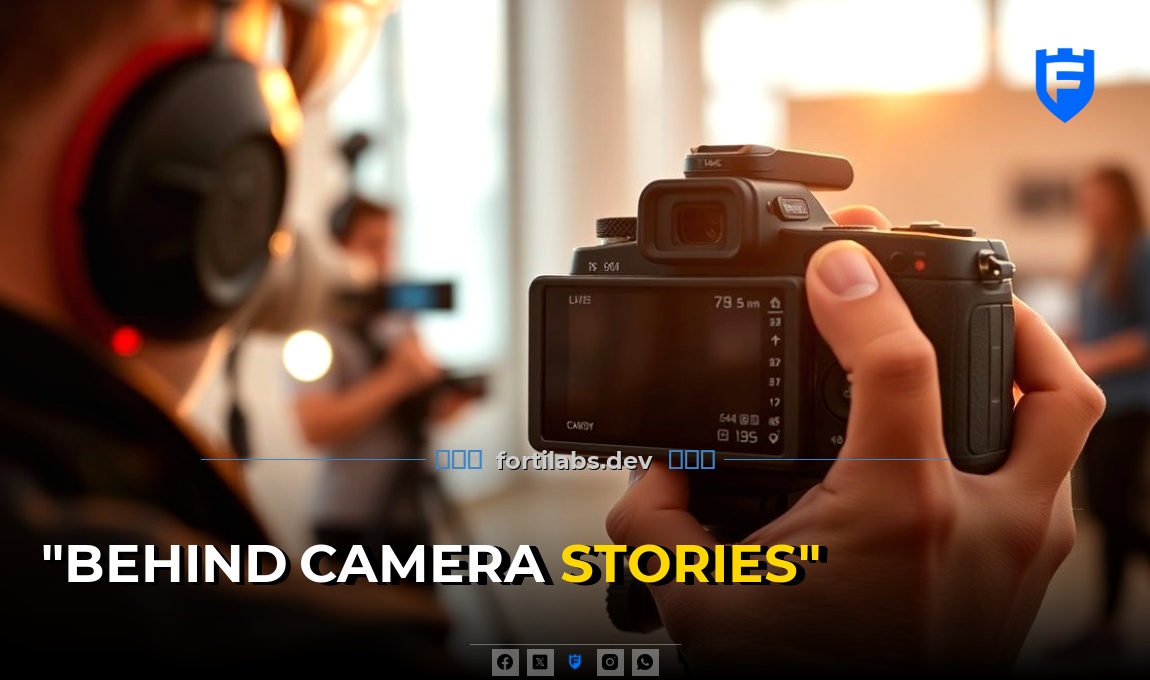
I still remember the day I realized what truly happens behind the camera. It was during a photoshoot with a bride-to-be, Sarah. She was nervous, fidgeting with her dress, and kept apologizing for not being “photogenic enough.” I noticed how she kept looking at the camera, waiting for me to click, but something wasn’t working. That’s when it hit me—it wasn’t about the camera or the subject; it was about the connection, the story, and the trust built behind the scenes.
Building Trust and Connection
Behind the camera stories often begin with building trust. Sarah was tense because she didn’t understand what we were trying to achieve. I sat her down, showed her some of my favorite photos, and explained how they told a story. I told her about the time I photographed a musician who was so nervous he couldn’t hold his guitar straight. We laughed about it, and suddenly, Sarah relaxed.
You see, photography isn’t just about capturing a moment; it’s about capturing the essence of that moment. And that essence comes from trust and connection. Here’s how you can build it:
- Talk to your subject. Ask about their day, their hopes, their fears. Make them feel comfortable.
- Show them the process. Explain what you’re doing and why. It takes the mystery out of it.
- Share your own stories. It makes you more relatable and human.
A Common Mistake: Forgetting to Communicate
A common mistake I see is photographers who don’t communicate enough. They might think it’s all about the technical aspects—the lighting, the angles, the settings. But without communication, you might as well be a robot. When you don’t communicate, you fail to connect. And when you fail to connect, your photos will lack depth and emotion.
I once saw a photographer working with a group of kids. He didn’t say much, just kept adjusting his camera and barking orders. The kids were bored and restless, and the photos reflected that. It’s not just about getting the shot; it’s about making the subject feel invested in the process.
Capturing the Unposed Moments
Some of the best photos are the ones that aren’t posed. They’re the ones that capture a genuine moment, a fleeting emotion, a real laugh. But how do you capture these moments? you’ve to be patient and ready.
With Sarah, after we’d built some trust, I told her to forget about the camera. I asked her to think about her wedding day, the emotions she was feeling. I told her to laugh, to cry, to feel. And that’s when the magic happened. Her eyes lit up, her smile became genuine, and the photos reflected that.
Here are some tips for capturing unposed moments:
- Be patient. Great moments don’t happen on command. Sometimes you’ve to wait.
- Be ready. Keep your camera at the ready, with settings adjusted. You don’t want to miss a moment because you’re fiddling with your camera.
- Be quiet. Sometimes, saying nothing and just observing can lead to the most authentic moments.
Common Mistake: Over-Posing
A common mistake is over-posing subjects. It’s tempting to want to control every aspect of the shot, but when you do, you risk losing the authenticity of the moment. I once saw a photographer pose a couple for a romantic shot. He told them exactly where to stand, how to hold each other, even how to look into each other’s eyes. The result? A stiff, unnatural photo. It’s important to guide your subjects, but also to give them room to be themselves.
Telling a Story
Every good photo tells a story. It’s not just about a pretty face or a stunning background; it’s about what that face and background say together. With Sarah, we told the story of her journey to the altar. We shot at locations that were meaningful to her, like her favorite café and the park where she had her first date with her fiancé.
Here’s how you can tell a story with your photos:
- Choose meaningful locations. Places that have a story behind them will add depth to your photos.
- Captures details. It’s not just about the big picture. Details like a mother’s hands tying her daughter’s shoes or a father’s smile as he watches his son play can tell a powerful story.
- Use props. Props can add context and tell a story. It could be a book, a musical instrument, or even a favorite toy.
Common Mistake: Forgetting the Story
A common mistake is focusing so much on the technical aspects that you forget about the story. I once saw a photographer spend so much time adjusting his settings that he missed a beautiful moment between a grandmother and her granddaughter. The story is what matters most. The technical aspects are just tools to help you tell that story.
Reflecting on the Journey
Photography is a journey. It’s not just about the final product; it’s about the moments, the connections, and the stories you encounter along the way. With Sarah, the photos turned out beautiful, but the journey—building trust, capturing genuine moments, telling her story—was what made it truly special.
So, whether you’re a professional photographer or just someone who loves taking photos, remember: behind every great photo is a story. And that story begins with you, the photographer, and your ability to connect, observe, and tell that story.
Now, grab your camera, build a connection, and start telling your own behind-the-camera stories.
Leave a Reply